Updated 25 September 2026 · About a 9-minute read · اردو میں پڑھیں (Read in Urdu)
If you are importing from China to Pakistan, 2026 has already rewritten the rules twice. A war in the Gulf has pushed oil back above $100 a barrel, inflation in Pakistan is in double digits again, and freight quotes change from week to week. At the same time, the rupee has held steady, the State Bank’s reserves are at a record high, and the new budget has cut import duties on thousands of industrial inputs.
So should you place orders now, or wait? This guide sets out Pakistan’s economic and political situation as of late September 2026, the global forces behind it, and what it means in practice for traders, manufacturers and e-commerce sellers who source from China.
Pakistan’s economy in September 2026: the key numbers
| Indicator | Latest figure | Why it matters to importers |
|---|---|---|
| SBP policy rate | 11.5%, held on 14 Sep 2026 (source) | Cost of financing stock and letters of credit |
| CPI inflation | 11.1% in August, up from 9.2% in July (source) | Customer demand and your selling prices |
| SBP foreign reserves | $21.39 billion on 11 Sep 2026, a record (source) | Dollars available to pay suppliers; rupee stability |
| Rupee (PKR per USD) | About 277 (source) | Your landed cost in rupees |
| Petrol / diesel | Rs390.12 / Rs414.75 per litre from 24 Sep (source) | Inland transport from Karachi |
| GDP growth | About 3.7% in FY26; 4% targeted for FY27 (source) | Overall demand in the market |
| Imports from China, Jul–Aug 2026 | $4.24 billion, up 41.6% year on year (source) | How much competition you face |
The picture is mixed. On the positive side, Pakistan’s external position is the strongest it has been in years. The State Bank’s reserves passed $21 billion in September, months ahead of an IMF target set for June 2027, and on 3 September the government raised a record $3 billion from international investors through a Eurobond that drew nearly $6 billion in orders (source). The IMF’s next programme review, which could unlock about $1.2 billion, is scheduled for this autumn (source).
For importers, this matters. Healthy reserves mean banks can clear payments to foreign suppliers, and they reduce the risk of the payment delays and import restrictions that hurt so many businesses in 2022–23.
On the negative side, inflation is back. Headline inflation rose to 11.1% in August, driven by transport costs (up about 20%) and food (up about 14%). The State Bank raised its policy rate to 11.5% in April in response to the oil shock and has held it there since, while expecting inflation to ease toward the upper end of its 5–7% target by June 2027 (source). Financing inventory is expensive, and many customers have less to spend.
The global picture: the Gulf war, oil and shipping
The Iran war and the Strait of Hormuz
Since US and Israeli strikes on Iran on 28 February 2026, shipping through the Strait of Hormuz has been severely disrupted. Pakistan gets roughly 90% of its oil imports from the Gulf, so the shock arrived quickly: petrol went above Rs458 a litre in early April (source). Brent crude peaked at about $118 a barrel on 31 March, eased over the summer after a ceasefire and talks hosted in Islamabad, then climbed back to around $105 in early September after fighting resumed in July (IEA, Al Jazeera).
Red Sea risks are back
Yemen’s Houthis have declared a blockade on Saudi-linked shipping in the Red Sea and hit a Saudi tanker off Yanbu on 24 August (source). Cargo from China reaches Karachi across the Arabian Sea without passing through Hormuz or the Red Sea, so your containers are not directly on these routes. You still feel the effects through fuel prices, insurance costs and tighter shipping capacity across the region.
Freight rates from China are rising again
Container lines have added war-risk and emergency surcharges on Gulf-linked routes, and transshipment hubs in the region have seen congestion (source). One forwarder’s indicative rates for September put a 20-foot container from China to Karachi at roughly $2,600–3,200, up about 60% on August, with a sea transit of 9–10 days (source). Quotes are changing weekly, so always confirm a fresh rate before you book.
US tariff uncertainty is reshaping China’s export flows
In February 2026 the US Supreme Court struck down the tariffs imposed under emergency powers, and the temporary 10% global tariff that replaced them has itself been challenged in court (source). With the US market harder to predict, many Chinese manufacturers are working harder to win buyers elsewhere, including in South Asia. For Pakistani buyers, that can mean more room to negotiate on price and payment terms, as long as quality is checked just as carefully.
Pakistan’s policy and political context
A budget that lowers duties on industrial inputs
The 2026–27 budget cut or removed additional customs duty on more than 3,000 tariff lines, capped regulatory duty at 20% and lowered customs duty on selected industrial inputs. The government estimates the relief to industry at about Rs200 billion (Profit, Business Recorder). The main beneficiaries are raw materials and intermediate goods for textiles, engineering, chemicals, plastics, steel, pharmaceuticals, auto parts and batteries. If you last worked out your landed cost before July, work it out again for your exact HS code.
Diplomacy and regional security
Pakistan has played a visible diplomatic role this year. It hosted US–Iran talks in Islamabad in April, helped broker an agreement in June and has called on both sides to avoid renewed conflict (source). Closer to home, the Torkham crossing with Afghanistan has been largely closed to trade since October 2025. Reopening was reported in August but had not been officially confirmed (source), so check the status before planning any shipment that relies on Afghan or Central Asian routes.
CPEC 2.0 and closer industrial ties with China
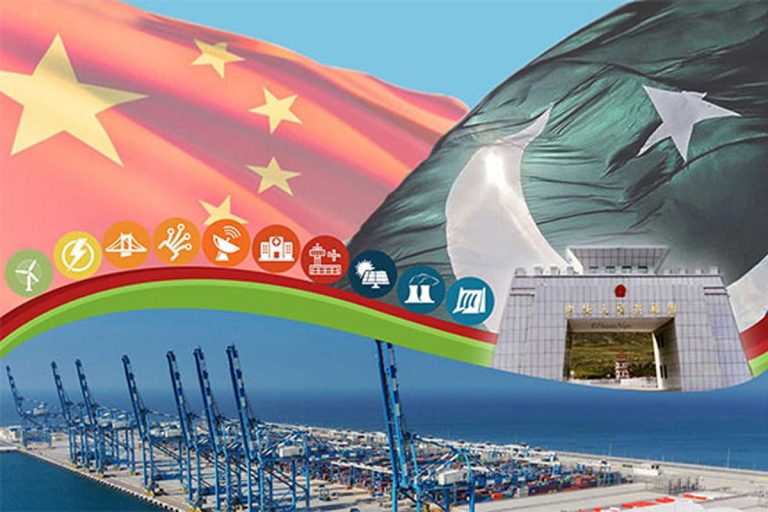
The second phase of CPEC is shifting from infrastructure towards business-to-business investment in manufacturing, agriculture and technology (source). Imports from China rose 41.6% year on year in July–August 2026. That means more competition in many product categories, but also more Chinese suppliers actively looking for partners in Pakistan.
Importing from China to Pakistan now: an 8-point checklist
- Book freight early and allow extra time. Rates and sailing schedules are volatile. Build two to three weeks of buffer into your plan and confirm the quote at booking. Our freight forwarding team can compare options for you.
- Plan around China’s holidays. Mid-Autumn Festival runs 25–27 September and Golden Week 1–7 October 2026. Many factories and logistics services close or slow down (holiday schedule). Orders not finished before the holiday often slip to mid-October.
- Recalculate landed cost with the new duty rates. Check customs duty, additional customs duty and regulatory duty for your HS code, plus sales tax and withholding tax.
- Budget for currency and fuel movements. The rupee has been stable at around 277 to the dollar, but keep a margin for changes and for inland transport, which follows diesel prices.
- Use consolidation to spread freight costs. If you cannot fill a container, combining goods from several suppliers into one shipment lowers your cost per unit.
- Inspect before you pay the balance. When costs rise, some suppliers cut corners on materials or packaging. A pre-shipment inspection costs far less than a rejected shipment. Pay a deposit, then the balance after the inspection passes.
- Audit new suppliers. With more Chinese factories chasing new markets, check licences, production capacity and track record before sending a deposit. A supplier audit does this on the ground.
- Watch oil-linked inputs. Plastics, packaging, chemicals and synthetic fabrics follow oil prices. Where you can, agree fixed prices for longer production runs.
Outlook for the rest of 2026
Three things will shape conditions for importing from China to Pakistan over the next few months: whether the Gulf conflict and Red Sea attacks ease or escalate, which will move oil prices and freight; the outcome of the IMF review this autumn; and how quickly inflation comes down, which will decide when interest rates can fall.
For most businesses importing from China, the sensible approach is not to stop buying, but to buy more carefully: shorter decision cycles, realistic lead times, landed-cost calculations built on current numbers, and firm quality checks before goods leave China.
Frequently asked questions
Is 2026 a good time to import from China to Pakistan?
It can be, with care. Reserves are strong and the rupee is stable, and many industrial inputs now carry lower duties. Against that, freight is volatile, inflation is high and financing is expensive. Import in smaller, well-planned batches and check quality before shipment.
How much does it cost to ship a container from China to Karachi?
Indicative September 2026 rates published by one forwarder were about $2,600–3,200 for a 20-foot container, but prices are moving weekly. Always get a fresh quote, and compare full-container and shared-container (LCL) options.
Did import duties go down in the 2026–27 budget?
Yes, for many raw materials and intermediate goods. Additional customs duty was cut or removed on more than 3,000 tariff lines and regulatory duty was capped at 20%. The effect depends on your HS code, so check your exact product.
Does the Strait of Hormuz crisis affect shipments from China?
Not directly. Ships from China reach Karachi without passing through Hormuz. You still feel the crisis through higher fuel costs, surcharges and tighter shipping capacity in the region.
How long does sea freight from China to Karachi take?
Usually about 9–10 days at sea from major Chinese ports, plus production time, loading and customs clearance. At the moment, plan for extra buffer time.
Source from China with confidence
QI Traders helps Pakistani businesses find and vet suppliers in China, inspect goods before they ship, consolidate orders and manage freight forwarding to Karachi. If you are planning an order for the coming months, contact us or message us on WhatsApp at +92 300 8825215.
This article is for general information only and reflects figures reported up to 25 September 2026. It is not financial, legal or customs advice. Confirm duties, rates and regulations for your specific goods before you import.
Sources
- Trading Economics: State Bank of Pakistan interest rate
- Trading Economics: Pakistan inflation rate
- ProPakistani: SBP reserves reach record (17 Sep 2026)
- ProPakistani: Pakistan raises record $3 billion Eurobond (3 Sep 2026)
- ProPakistani: IMF review and $1.2 billion tranche (11 Aug 2026)
- Business Recorder: FY26 GDP growth estimate
- Daily Pakistan: fuel prices from 24 September 2026
- ThePrint / Reuters: Pakistan fuel-saving measures (17 Sep 2026)
- The Nation: Pakistan–China trade, July–August 2026
- IEA: Oil Market Report, September 2026
- Wikipedia: Pakistan in the 2026 Iran war
- Al Jazeera: Pakistan on renewed US–Iran conflict (9 Jul 2026)
- Al Jazeera: Houthi attack on Saudi tanker (24 Aug 2026)
- Seavantage: Strait of Hormuz crisis and freight impact
- Sino Shipping: China to Pakistan freight rates
- Skadden: US tariffs after the Supreme Court IEEPA ruling
- Profit: Budget 2026–27 tariff changes
- Business Recorder: customs duty changes (13 Jun 2026)
- KabulNow: Pakistan–Afghanistan crossings (Aug 2026)
- ProPakistani: CPEC 2.0 industrial B2B plans (12 Aug 2026)
- China Briefing: China 2026 public holiday schedule